Middlesex Fells Reservoir
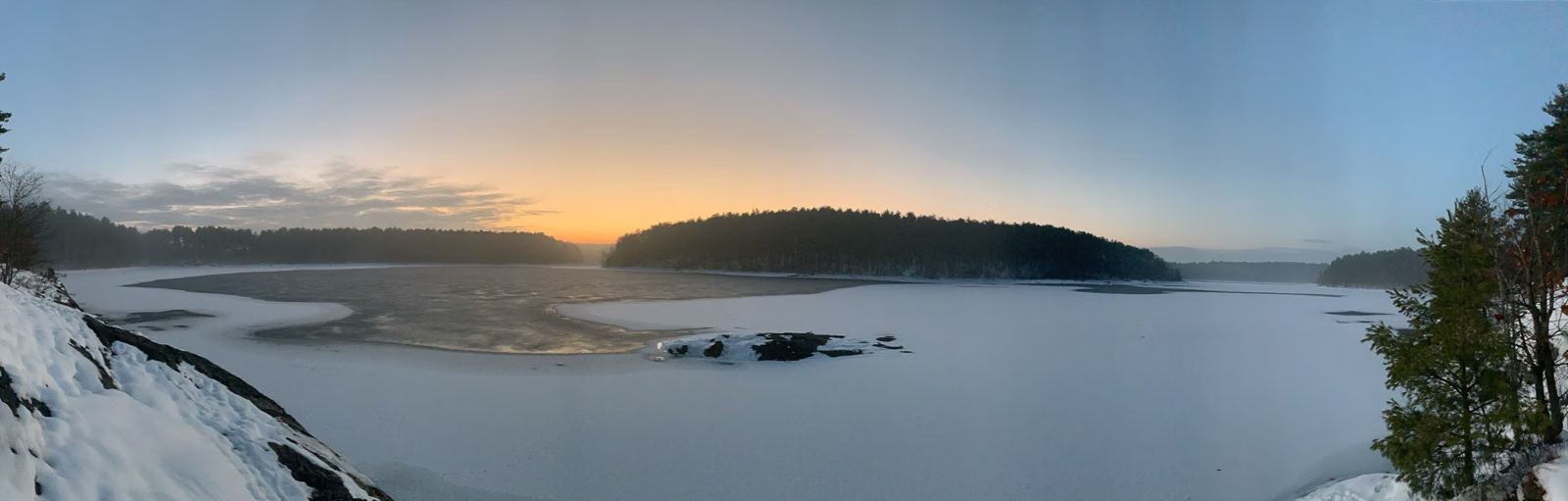
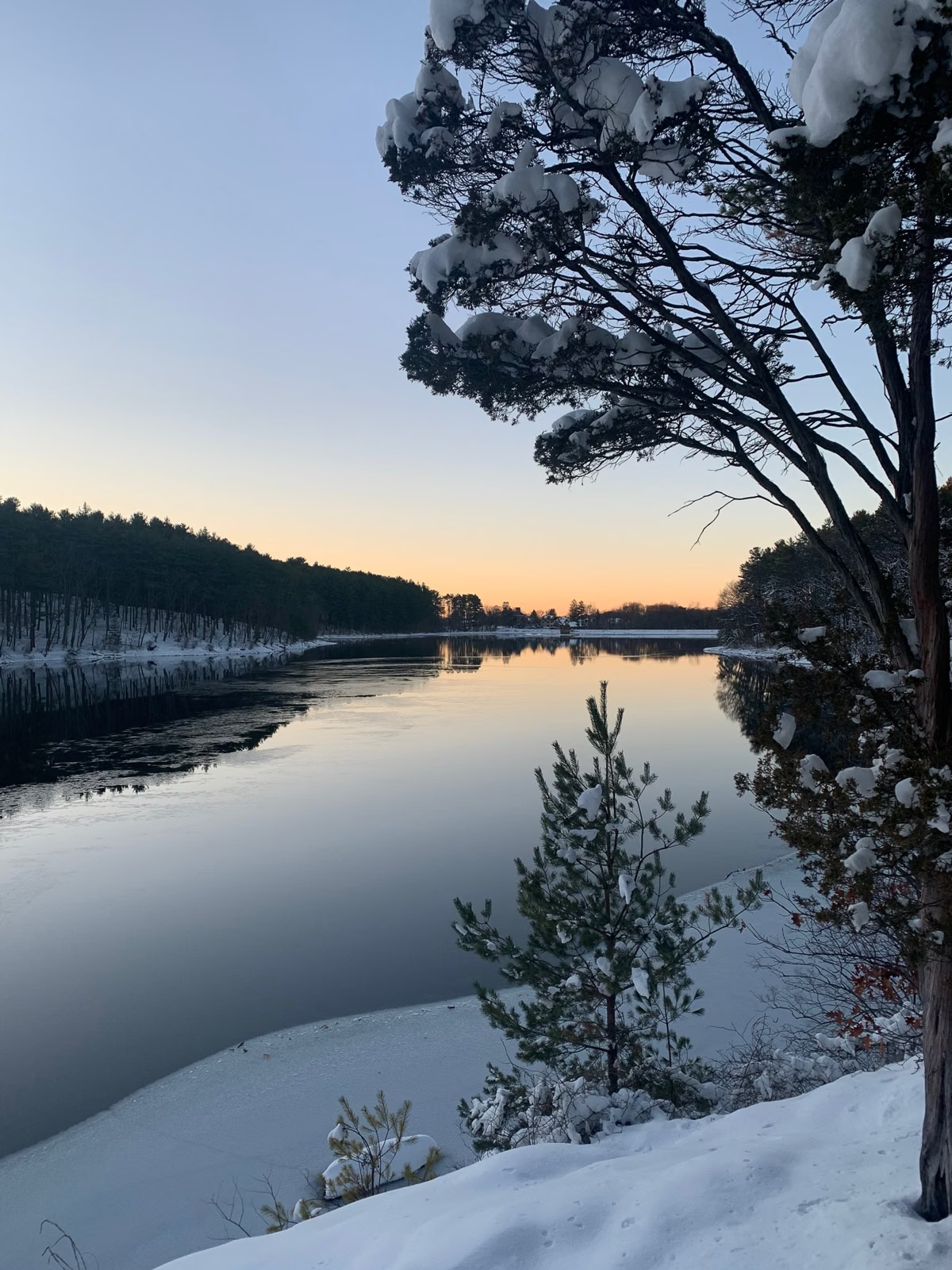
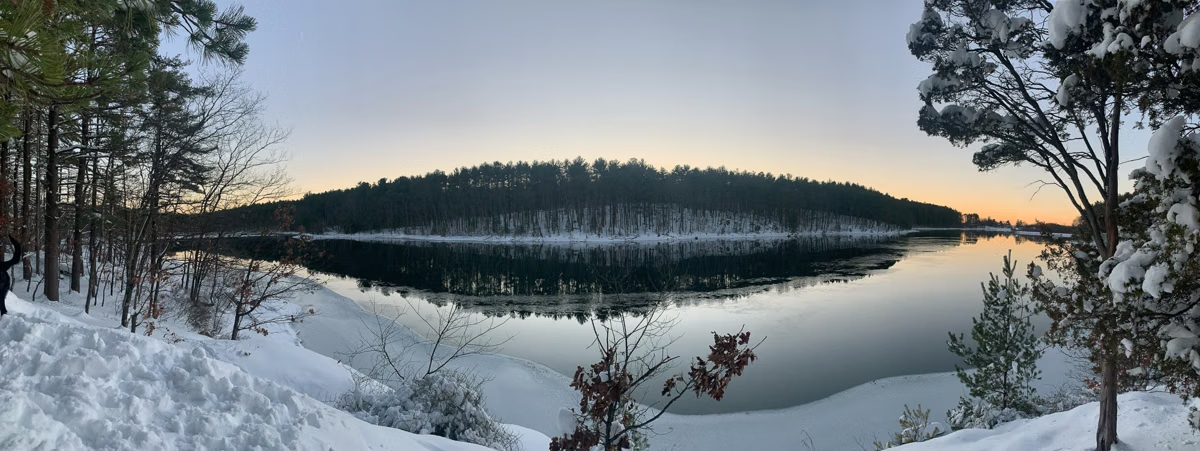
The Middlesex Fells Reservation was established in the late 1800s largely to protect the water supply for Greater Boston — and the reservoirs at the heart of the park are a direct reflection of that history. Today, the reservoir area is one of the more scenic and historically significant parts of the Fells, offering views across open water surrounded by wooded hills that look much the same as they did a century ago.
It's a quieter destination than the main trailheads, and one that people looking for a little more context on why this land was protected tend to like.
About the Middlesex Fells Reservoir
The Middlesex Fells Reservation sits above several water supply reservoirs that were developed in the late 19th century as part of the greater Boston area's public water infrastructure. The reservation's forests and wetlands serve as a natural watershed, filtering and protecting the water supply.
The reservoir landscape is characterized by open water, wooded shorelines, and the kind of undisturbed habitat that comes from decades of conservation protection. It's a defining feature of the reservation and one of the reasons the Fells looks and feels the way it does — dense, intact, and remarkably wild for a park this close to a major city.
Visiting the Reservoir Area
The reservoir itself is a restricted water supply area — swimming, boating, and fishing in the reservoir are not permitted. However, the trails and paths along the perimeter offer excellent views across the water and access to some of the most scenic stretches of the reservation.
For paddling and fishing, Spot Pond is the primary destination in the Fells — a large, publicly accessible pond in the East Fells open to non-motorized watercraft and shoreline fishing.
Reservoir Trails
Several trails in the reservation run along or near the reservoir, offering elevated views across the water and access to the quieter interior sections of the Fells. The trail network here connects to broader routes through both the East and West Fells.
Check our Trail Map for current trail access near the reservoir area, including any seasonal closures or restricted zones.
History of the Reservoir and the Fells
The story of the Middlesex Fells Reservoir is closely tied to the story of the reservation itself. In the 1890s, landscape architect Charles Eliot — working with the Metropolitan Park Commission — advocated for protecting the Fells from development in part to safeguard the watershed feeding the Boston area's growing water supply.
The result was one of the earliest examples of large-scale conservation in the region: thousands of acres of forest, wetland, and open water preserved in perpetuity just miles from downtown Boston. The reservoirs were both the practical justification and the scenic centerpiece of that vision.
For more on the history of the Fells, visit our History of Middlesex Fells page.
Wildlife Around the Reservoir
The restricted-access nature of the reservoir area means it supports wildlife with relatively little human disturbance. Great blue herons, osprey, and various waterfowl are commonly seen over the water. The wooded buffer zones around the reservoir provide habitat for deer, fox, and a wide variety of songbirds.
Birdwatchers in particular find the reservoir perimeter trail rewarding — especially during spring and fall migration periods when a wide variety of species pass through.
Tips Before You Go
- Swimming and boating are not permitted in the reservoir or anywhere in the Middlesex Fells Reservation.
- Stay on designated trails near the reservoir. Some areas are protected water supply zones with restricted access.
- Bring binoculars. The open water views from the reservoir perimeter are excellent for birdwatching.
- Dogs are welcome on leash on the perimeter trails.
- Weekday mornings offer the quietest experience and the best wildlife viewing.
More at Middlesex Fells
The Reservoir in Winter